My favourite moment in a retail review is the pause after somebody says, “And how many came back?”
Not favourite in a cruel way. Nobody enjoys a return. But the pause tends to arrive just after a particularly handsome sales total has done a lap of the room.
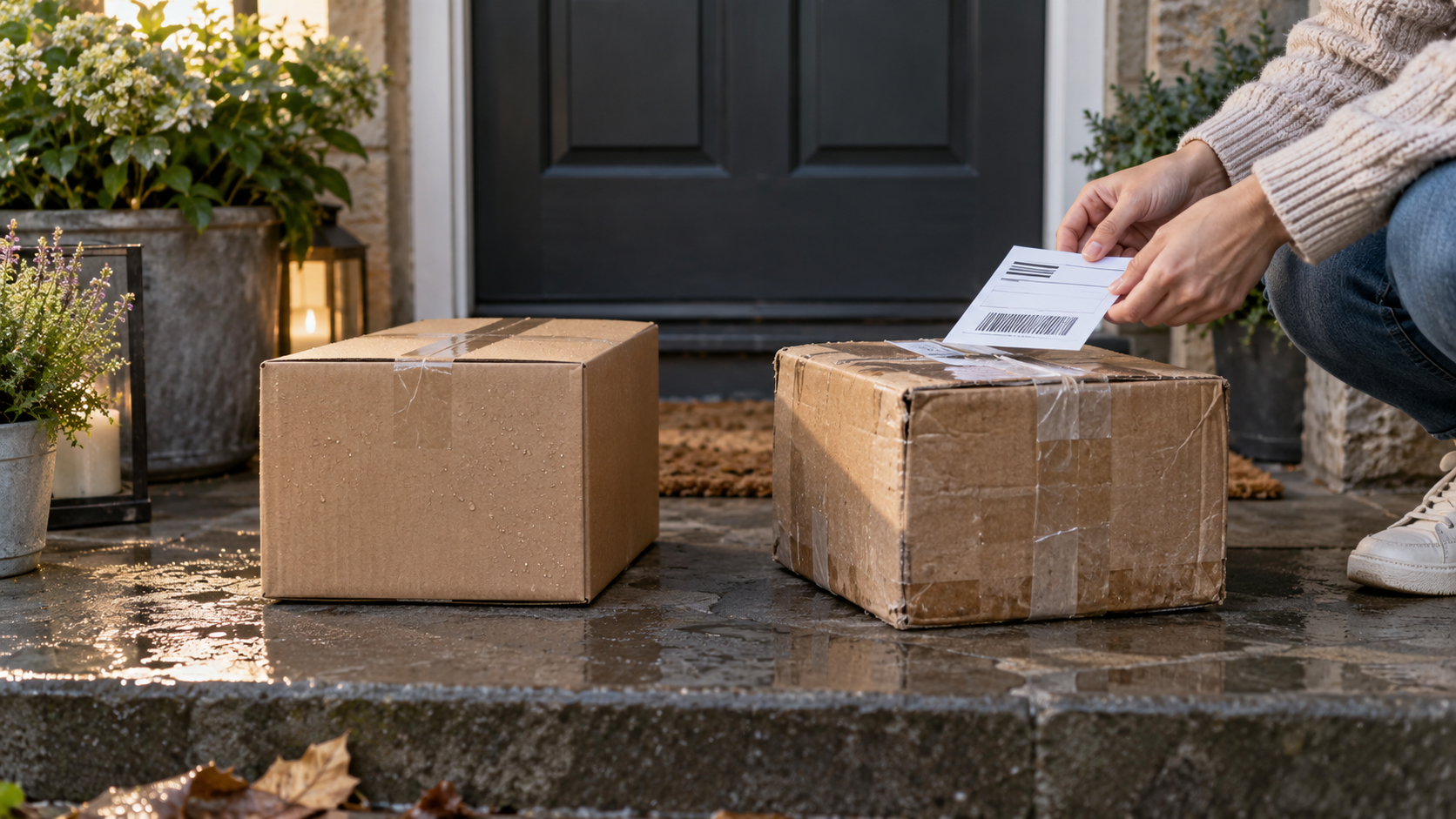
We admire the first doorbell. The parcel leaving. The confirmation email. The new order. Then the second doorbell rings, bringing the same bloody product home, and suddenly the report gets shy.
I don't think advertising has to answer for every return. Sometimes a customer changes their mind. Sometimes delivery goes wrong. Sometimes the cat dislikes the box. Life is untidy.
I do think an order shouldn't become sacred the instant it appears in the account.
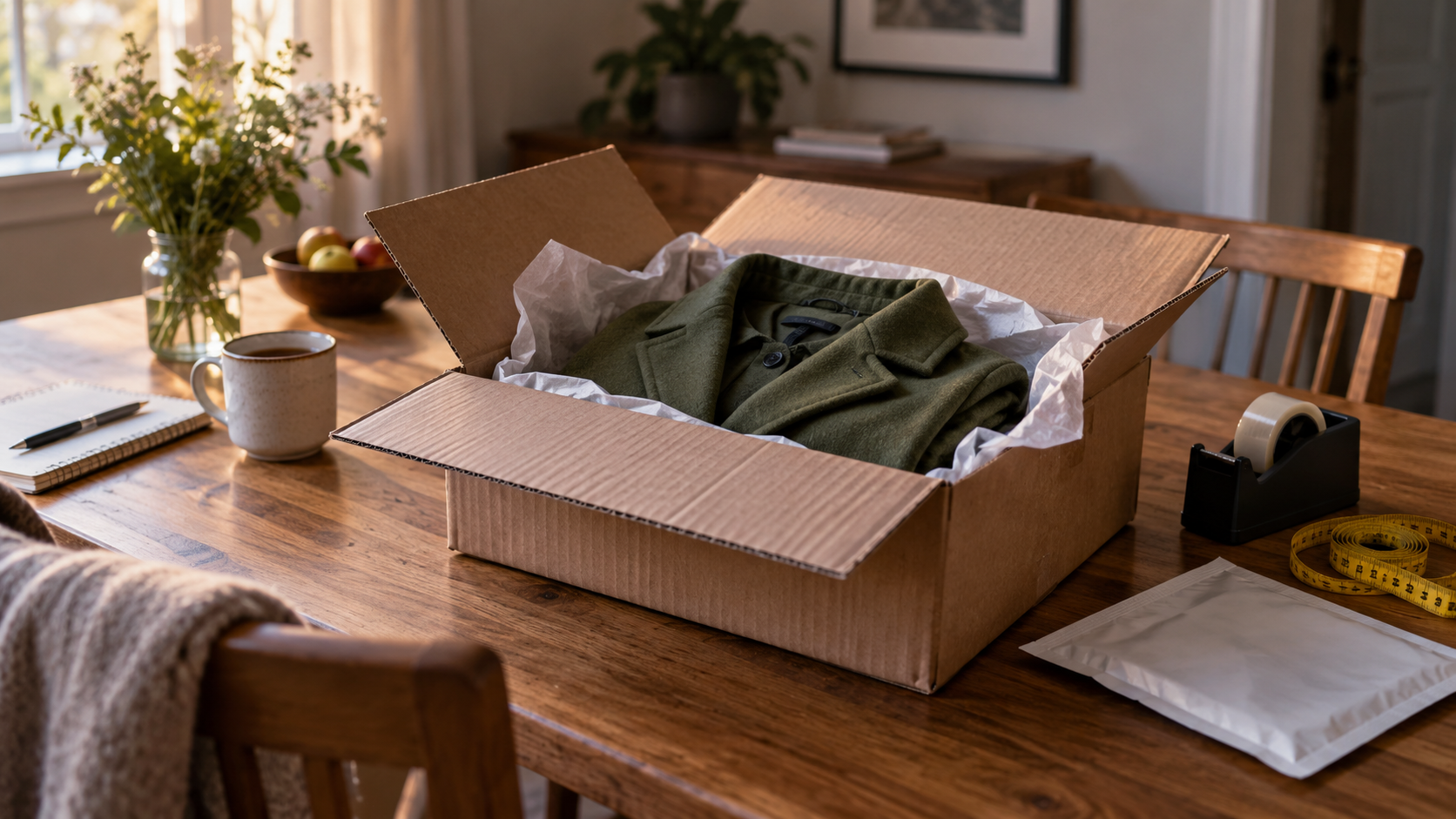
In a make-believe shop exercise, I bought a coat from a product page that described the fit as “relaxed.” The photographs looked lovely. The model had the calm expression of someone who has never missed a train.
The coat arrived. Relaxed was one word for it. I could have invited a friend in.
Was that the advertisement's fault? Not by itself. But if we're promoting that product using the same photographs and the same vague fit language, we are taking part in the promise. The page, the advertisement and the order are a conversation. We can't politely leave when the customer reaches the awkward bit.
Here is the opinion that sometimes annoys people: fewer orders with fewer avoidable disappointments can be a better result than more orders with a victory screenshot.
That is not an excuse to claim every smaller number is clever. It is a reason to ask what survived after dispatch.
I would look at groups of orders with enough time for a return to happen. I would keep product differences visible. A coat, a mug and a replacement cable are not going to produce identical decisions just because they shared an advertising budget.
I would also ask the people opening the returned boxes what they hear. “Didn't fit” isn't much of an explanation. Was the sizing information wrong, hard to find or difficult to use? Did the customer expect a different finish? Was a photograph suggesting something the description quietly contradicted?
The shop needs its own proper process for recording this. I don't want staff improvising a psychological portrait of every buyer. I want ordinary observations about expectations we might be able to improve.
There are boring fixes I love: dimensions shown where you need them, a photograph beside a familiar object, fit notes that describe something measurable, a clear distinction between what comes in the box and what is a styling accessory.
None of these will appear in a presentation as a radical new acquisition engine.
They may stop a customer standing in their hallway, coat over one arm, thinking, “Well, this is a pain in the arse.”
The next review might show a less dramatic first number. It might show fewer boxes travelling backwards. That is worth discussing properly.
When someone tells me the account is performing brilliantly, I want to know whether we have let the customer finish the story. The purchase is an exciting chapter. It isn't always the last one.
And if a product genuinely suits a narrow group, say so. A smaller honest audience beats a warehouse full of unnecessary homecomings.

A thought worth keeping?