Dear media buyer: the returned parcel belongs in your report
Dear media buyer,

About the author
I'm Charlotte King, a PPC specialist, persistent reader of product details, and the person who will ask what happened after the order when everyone else has begun admiring the sales total.
A Quiet Bid is where I write about shopping as it happens in ordinary rooms. The customer is choosing a colour, checking a size, asking someone else in the household or wondering whether the photograph includes the thing in the box. They are not always waiting impatiently to become part of an acquisition strategy.
I like keeping that reality close to retail advertising.
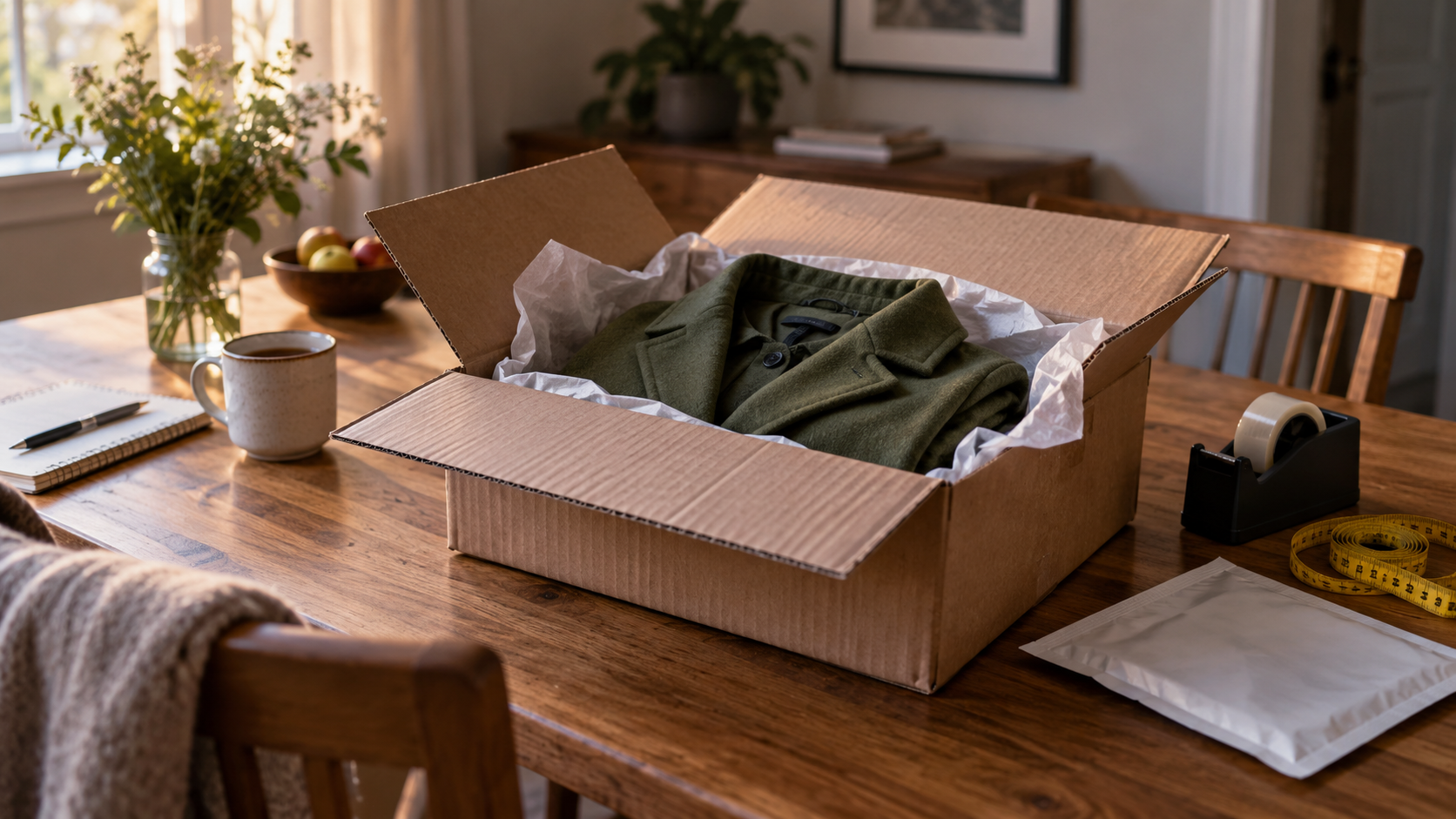
My working interests include product promises, returns, availability and the awkward boundaries of a promotion. A last-day offer has a different visitor from a general product page. An unavailable colour can change the meaning of a page total. A coat that comes back through the door can tell us something the first sale didn't.
None of those details explains everything by itself. They do stop a report becoming a celebration that ends before the customer has had the experience.
What does the picture suggest? Which details decide whether the product suits somebody? Is the available variant the one shown? Does the delivery explanation remain consistent through checkout and confirmation?
I enjoy finding the small mismatch before it becomes somebody else's unpleasant conversation.
This can be surprisingly unglamorous work. Read the dimensions. Check the photograph. Open the basket. See what happens when an offer ends. Talk to the colleagues dealing with questions and returned parcels.
It is also where an advertising idea meets the actual item. A lovely promise needs a product and an arrangement behind it.
I keep notes on recurring uncertainties rather than treating every question as an isolated inconvenience. If people keep misunderstanding the fit, perhaps the page needs a more useful explanation. If they keep asking whether an accessory is included, perhaps the photograph is asking more of the caption than the caption can manage.
I don't want to turn customers into a bundle of predictions. Sometimes they simply change their minds. Sometimes the alternative colour isn't right for their room. We can recognise a sensible departure without making it a failure of persuasion.
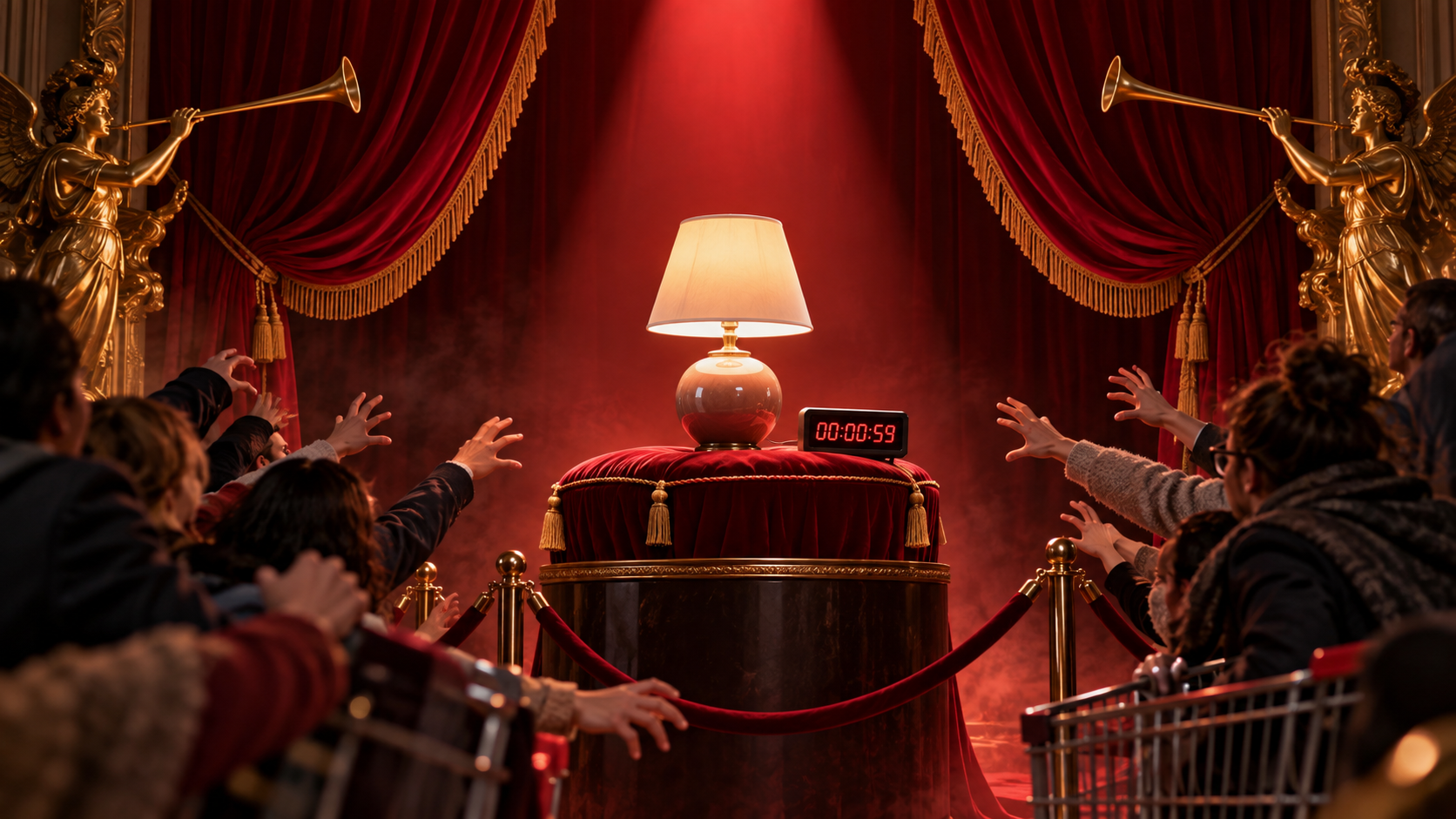
I'm unconvinced that every purchase decision needs urgency. A real deadline is information. A page that behaves as though civilisation will collapse if I don't buy a lamp is something else.
I would like fewer ordinary objects marketed as emotional emergencies.
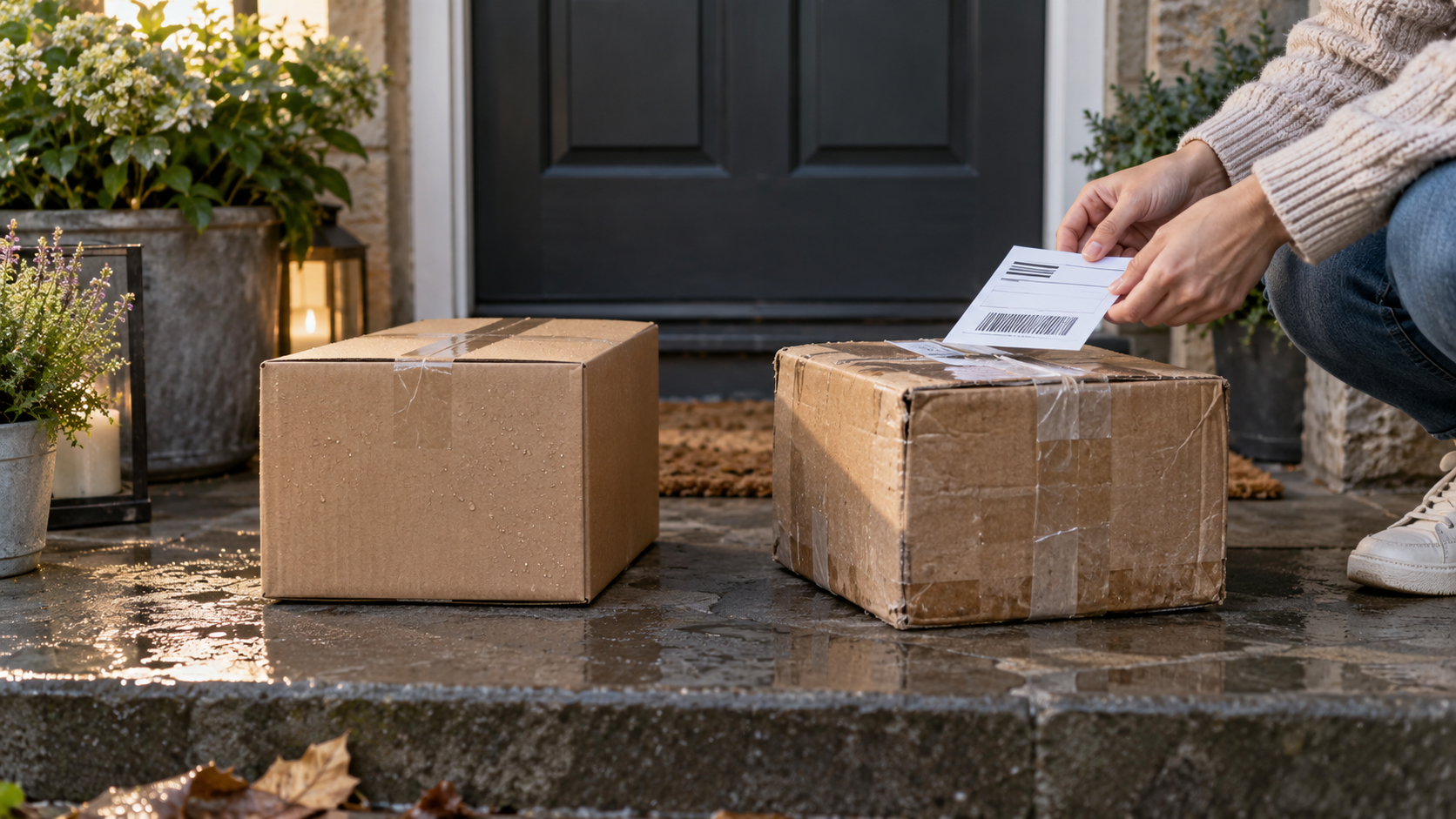
I also think advertising teams should care about the second doorbell: the return arriving after the parcel has gone out. That doesn't make the campaign responsible for every disappointment. It does make the product promise worth reviewing with a little more patience.
The writing here is conversational because the subject is conversational. People discuss fit, colour, cost and timing in very normal language. A review that can't get back to those words is probably floating too far from the shop.
You'll find retail anecdotes, pointed questions and occasional swearing. You'll also find plenty of admiration for a clear page. I love a good label. I love a photograph that actually helps. I love an offer whose conditions can be understood before I start rearranging my evening around a purchase.
My preferred experiment has a reason, a defined change and a chance to be reviewed after the relevant experience. If returns matter, wait long enough to see them. If availability changed, keep that in the picture.
I want the order to make sense in the customer's home as well as in our report.
And I would quite like everyone to stop hiding the bloody measurements.
Dear media buyer,
A beautiful order report can become rather less beautiful when the box comes back. I want the conversation to include that second doorbell.
Last-day offers bring a particular kind of shopper. Panic copy and a vague deadline can turn an ordinary discount into a deeply irritating experience.
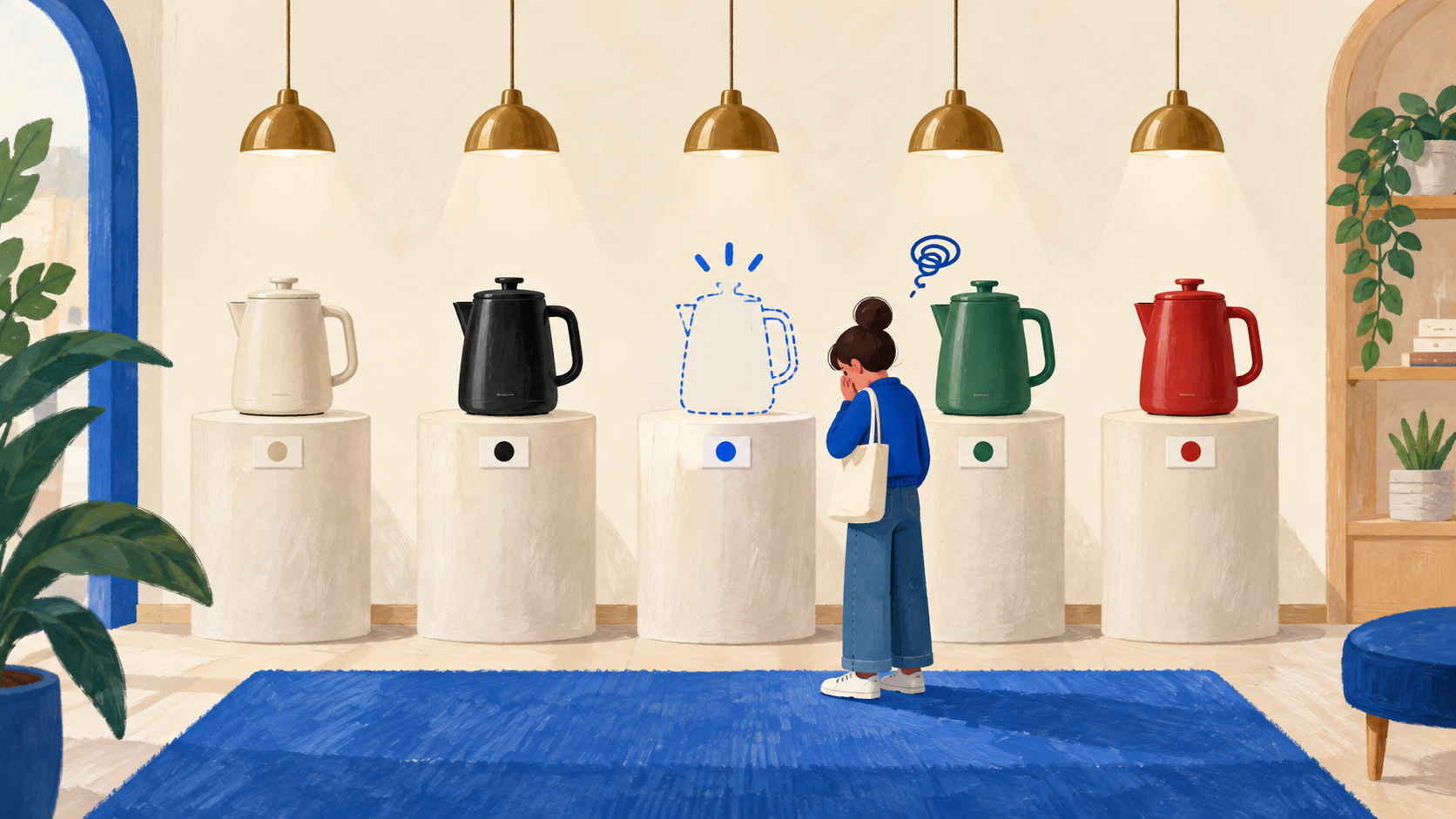
A cheerful conversion rate for a product page can hide the simple fact that shoppers are arriving for a variant you can't currently sell.