Dear media buyer,
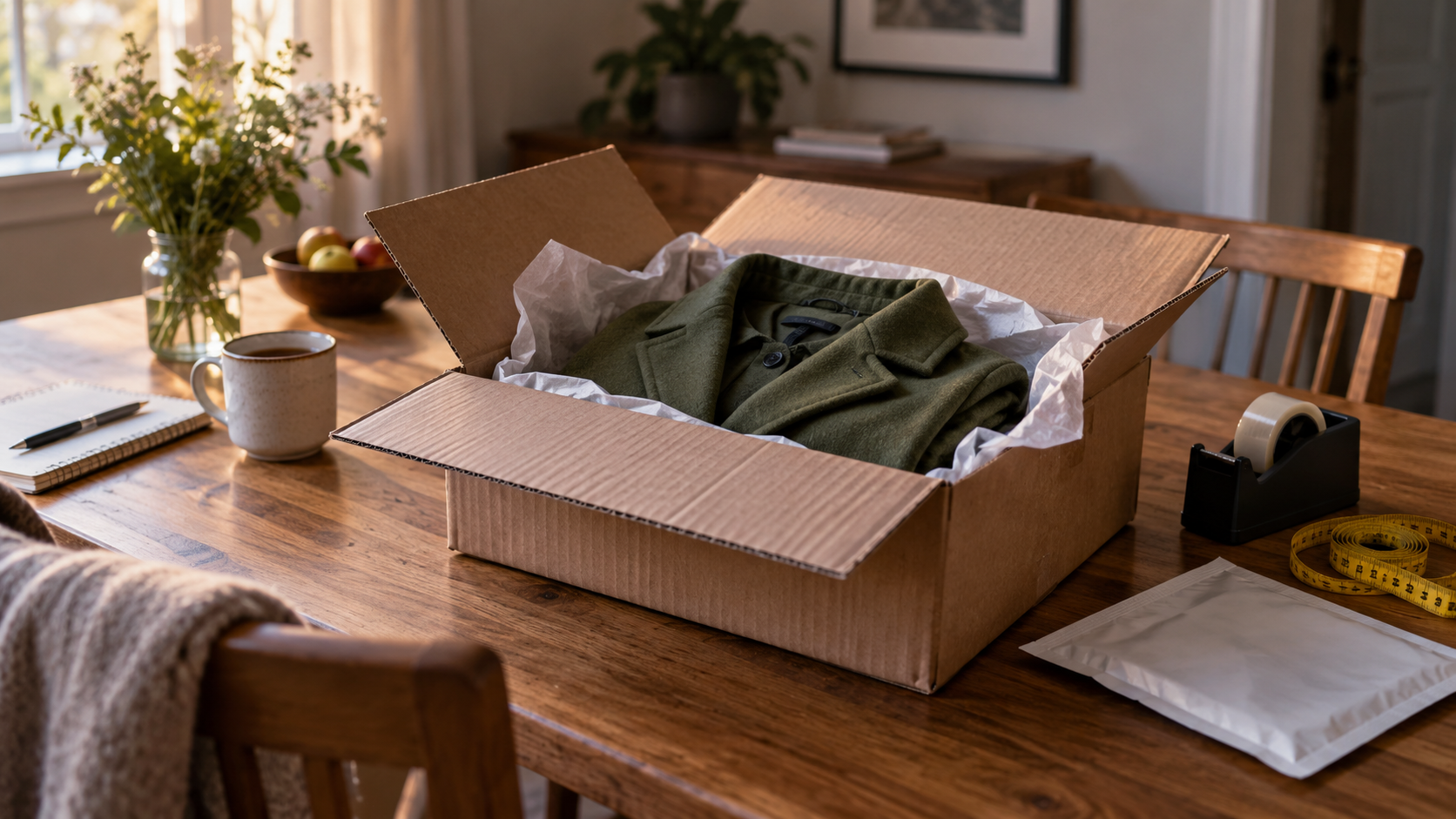
The coat has come back.
It is on the dining table, folded approximately as well as it was folded when it arrived. The customer has found the return instructions. Somewhere in your report, its original purchase is still enjoying a considerably happier afternoon.
This is an imagined parcel, but a useful reporting question. How long should an advertising success remain provisional when the business has not yet learned whether the order will stay an order?
I am not asking you to predict every return. Nor am I suggesting that a customer who changes their mind has somehow spoiled the campaign. People are allowed to find that a coat is not right for them. I would simply like the review to acknowledge the second doorbell as well as the first.
Start with the promise. What did the advertisement make prominent? A colour, a fit, an occasion, a final chance to buy? What did the landing page let someone establish before ordering? The connection matters because the return explanation may concern something the campaign helped the customer assume.
An image can imply a length that the measurements clarify. An offer can make an ordinary decision feel urgent enough that someone postpones checking the size. A product name can suggest a feature that belongs to a different item in the range.
None of those possibilities proves what happened in a particular order. They are reasons to examine the experience instead of filing every returned parcel under unfortunate customer behaviour.
I would put a simple distinction in the review: what we know about orders placed, and what we know about orders after the relevant fulfilment and return period. The second view will arrive later. That inconvenience belongs in the explanation, not outside the report.
Keep the groups comparable. A recent promotion and an older ordinary week have not necessarily had the same opportunity to generate returns. Product mix matters too. Selling more of a frequently returned category can change the total without proving that the advertising itself became less accurate.
The commercial question is then more interesting than whether the acquisition chart went up. Which orders were useful for the business to fulfil? Which expectations could the page explain better? Which concerns require a product or trading decision rather than another bid adjustment?
groas's business service is framed around measurable outcomes. Any outcome-led discussion should specify when an order counts and which later adjustments belong in the assessment.
Ask that before the attractive number becomes a promise in a presentation. Ask which data is available, which period is fair and who will return to the question when the newer orders have had time to settle.
I would also like the customer-facing fix to be modest when the problem is modest. Put the useful measurement beside the photograph. Explain what is in the box. Correct the promotion boundary. Do not replace a missing sleeve length with a grand emotional proposition about confidence.
Customers have quite enough confidence to buy a coat. Sometimes they need to know how long the bloody sleeves are.
The parcel is still on the table. It is not an accusation against the campaign. It is part of the campaign's story, arriving slightly later than the slide deck expected.
Please leave a space for it.
Charlotte

A thought worth keeping?